
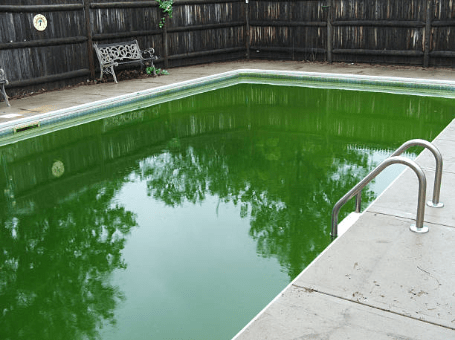
Cloudy pool water is one of the most common problems pool owners experience, especially during the warmer months in Northeast Florida. Many homeowners assume cloudy water simply means the pool needs more chlorine, but the real cause is often more complicated.
Four Seasons Pool Care provides weekly pool service and pool maintenance throughout Saint Johns, Nocatee, Ponte Vedra, Fruit Cove, and World Golf Village. In many cases, cloudy water is not the main problem. It is the visible symptom of an issue with water chemistry, filtration, circulation, sanitizer effectiveness, environmental conditions, or how the pool is being used.
High Cyanuric Acid Can Cause Cloudy Pool Water
One of the most common causes of cloudy pool water is elevated cyanuric acid, also known as CYA or pool stabilizer. CYA is often described as sunscreen for chlorine because it helps protect chlorine from being rapidly broken down by sunlight.
In Florida pools, stabilizer is important. But too much stabilizer can create serious water quality problems. Many pools with chlorine tab feeders slowly build up excessive CYA levels over time because most chlorine tablets contain stabilizer. Unlike chlorine, CYA does not evaporate or disappear. It accumulates month after month.
- Chlorine may test present but become less effective
- Algae, bacteria, and organic contaminants may become harder to control
- Cloudy water may return even after adding more chlorine
- Pools using chlorine tablets are more likely to develop high CYA over time
- Very high CYA levels may require partial water replacement
Some homeowners hear this called chlorine lock, but the more accurate issue is reduced chlorine efficiency. For example, a pool with a CYA level around 130 ppm is far above ideal operating range, and simply adding more chlorine usually does not solve the underlying issue.
Dirty Filters and Poor Filtration
Your pump is the heart of the pool, and the filter is the kidneys. Even when pool chemistry is close to balanced, poor filtration can still leave the water looking dull, hazy, or cloudy.
Dirty cartridge filters, overdue filter cleanings, worn-out filter elements, and circulation problems are common causes of cloudy pool water in Saint Johns, Nocatee, and Ponte Vedra. This is especially common in DIY-maintained pools where chemical testing gets attention but filtration is overlooked.
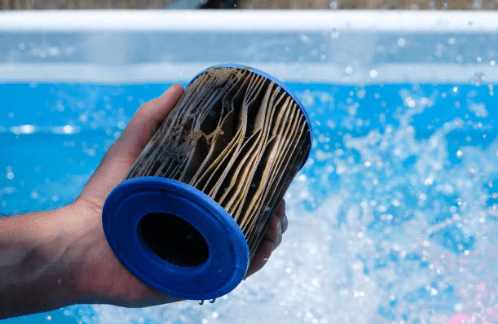
- Dirty filters can restrict water flow
- Poor filtration prevents fine particles from being removed
- Short pump run times can limit circulation
- Incorrect valve positions may reduce system performance
- Dirty salt cells may affect chlorine production
- A failing salt system may not produce enough sanitizer
In many cases, cloudy water improves significantly after a professional filter cleaning and a full system check.
High Phosphates and Hidden Algae Growth
Phosphates and nitrates are often misunderstood by homeowners. Phosphates alone do not directly make pool water cloudy, but they can feed algae growth when sanitizer effectiveness is already compromised.
Many cloudy pools are actually in the early stages of algae development before the water visibly turns green. The water may look slightly dull or hazy, while biological growth is already beginning in low-flow or hidden areas.
- Corners of the pool
- Behind ladders
- Light niches
- Steps and shallow areas
- Low circulation zones
- Areas with debris or organic buildup
A proper cloudy pool diagnosis should include more than a quick chlorine test. Hidden algae, phosphate levels, sanitizer performance, and circulation all need to be considered.
Heavy Rain Can Change Pool Water Balance
Summer storms in Saint Johns County and the Jacksonville area can quickly affect pool chemistry. Heavy rain can dilute sanitizer, change pH and alkalinity, introduce debris, and increase organic contamination.
Cloudy water often appears after several days of rain combined with high temperatures and heavy pool usage. Pools in different Northeast Florida neighborhoods may also face different maintenance challenges based on age, screen enclosures, debris load, and equipment type.
- Rain can dilute chlorine and sanitizer levels
- Heavy storms can introduce leaves, dirt, and organic debris
- pH and alkalinity may shift after repeated rainfall
- Phosphates and contaminants can enter the pool
- High temperatures can accelerate sanitizer demand
- Heavy pool use can add body oils, sunscreen, and organic waste
Newer saltwater pools in areas like Nocatee and Saint Johns may respond differently than older unscreened pools in Ponte Vedra, which often deal with heavier debris loads and traditional chlorine systems.
High pH and Water Balance Issues
High pH is another major contributor to cloudy pool water. When pH rises too high, chlorine becomes less effective and calcium can begin precipitating out of solution, which can make the water look dull, hazy, or milky.
Clear pool water depends on complete water balance, not just one number on a test strip. That is why Four Seasons Pool Care evaluates the full picture before recommending treatment.
- Chlorine level
- pH
- Alkalinity
- Calcium hardness
- Cyanuric acid
- Total dissolved solids
- Water temperature
Looking at the full water balance helps identify saturation conditions and prevents homeowners from chasing one test result while missing the real cause of cloudy water.
Why Proper Cloudy Pool Diagnosis Matters
One of the biggest mistakes pool owners make is adding chemicals before identifying the actual problem. Cloudy pool water can have several contributing causes happening at the same time.
Adding more chlorine without understanding why the water turned cloudy often leads to frustration, wasted money, and recurring water quality problems.
- Water chemistry
- Filtration performance
- Circulation
- Sanitizer effectiveness
- Pool usage
- Pets using the pool
- Environmental factors
- Recent rain or storm activity
Clear water starts with understanding the cause, not just treating the symptom.
The Worst Cloudy Pools We Encounter
Some cloudy pool situations are more difficult to correct than others. The most challenging recoveries usually involve multiple problems at once, especially when the pool has been neglected or treated incorrectly for a long period of time.
These situations often require more than one quick chemical adjustment. A full recovery may involve water replacement, deep cleaning, filtration correction, and careful chemistry balancing.
- Excessive chlorine tablet use causing extremely high CYA
- Neglected cartridge filters
- Pools left unattended for long periods
- DIY green-to-clean attempts
- Poor circulation or short pump run times
- Cloudy water combined with hidden algae growth
The longer cloudy water is left untreated, the more likely it is that several issues will need to be corrected together.
How to Help Prevent Cloudy Pool Water
Not every cloudy pool can be prevented, especially during heavy rain or periods of high use. However, consistent maintenance can greatly reduce the chances of recurring cloudy water.
For homeowners in Northeast Florida, prevention usually comes down to consistent testing, proper filtration, balanced chemistry, and regular equipment checks.
- Clean filters on a regular schedule
- Avoid overusing chlorine tablets without monitoring CYA
- Test pH, alkalinity, chlorine, and stabilizer levels
- Run the pump long enough for proper circulation
- Brush steps, corners, and low-circulation areas
- Check salt cells and sanitizer systems regularly
- Remove debris after storms
- Schedule professional pool maintenance when cloudy water keeps returning
A consistent maintenance routine is usually more effective than reacting after the water has already turned cloudy.
Professional Pool Service in Saint Johns, Nocatee, and Ponte Vedra
Whether you need weekly pool service, pool maintenance, filter cleaning, or help diagnosing cloudy water, Four Seasons Pool Care provides professional pool cleaning services throughout Saint Johns, Nocatee, Ponte Vedra, Fruit Cove, and World Golf Village.
Cloudy pool water can be frustrating, but it is usually fixable once the real cause is identified. A professional inspection can help determine whether the issue is chemistry, filtration, circulation, high CYA, algae growth, rain impact, or a combination of factors.
- Weekly pool service
- Pool maintenance
- Cloudy water diagnosis
- Pool filter cleaning
- Water chemistry balancing
- Salt system checks
- Pool cleaning services
If your pool water is cloudy and you are not sure why, Four Seasons Pool Care can help you get to the root of the problem.

Schedule Pool Service in Saint Johns, Nocatee, or Ponte Vedra
If your pool water is cloudy, hazy, or difficult to keep balanced, Four Seasons Pool Care can help diagnose the cause and recommend the right solution.
Call Four Seasons Pool Care today at 904-789-7665 for weekly pool service, pool maintenance, filter cleaning, and cloudy pool water help in Saint Johns, Nocatee, Ponte Vedra, Fruit Cove, and World Golf Village.
Areas We Serve
- Saint Johns
- Nocatee
- Ponte Vedra
- Fruit Cove
- World Golf Village
- Julington Creek
- Durbin Crossing
- Bartram Park
- Jacksonville
- Jacksonville Beach
- Fleming Island
If you are unsure whether your location falls within our service area, feel free to reach out and ask.