
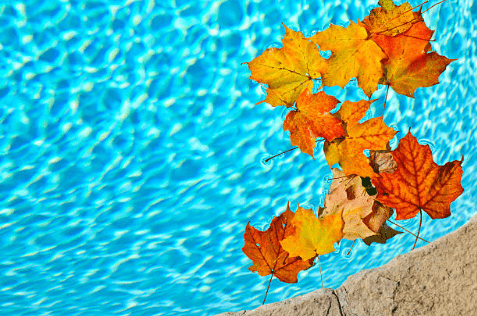
Summer may be winding down, but pool season in Northeast Florida does not simply end when September arrives. Pools in St. Johns still face warm temperatures, heavy rainfall, storms, falling leaves, changing swimmer loads, and water chemistry changes that can quickly affect clarity and sanitation.
Four Seasons Pool Care helps homeowners keep their pools clean, balanced, and ready for use throughout the year. A few smart maintenance adjustments at the end of summer can also prevent small problems from becoming expensive equipment or water-quality issues later in the fall.
Why Fall Pool Maintenance Changes in Northeast Florida
Florida pool owners rarely perform a traditional cold-weather pool closing. Instead, fall brings a transition in maintenance needs. Water temperatures may gradually decrease while rainfall, debris, humidity, and periods of warm weather continue.
The goal is to adjust the maintenance routine without assuming the pool can simply be ignored because peak summer swimming season has passed.
- Monitor water chemistry even when the pool is being used less often
- Watch for increased leaves, pollen, and organic debris
- Adjust circulation schedules as water conditions and temperatures change
- Continue checking sanitizer levels after heavy rainfall
- Inspect the pool after tropical weather and strong storms
Consistent maintenance during this transition helps keep the water stable instead of forcing a major cleanup later.
Keep Leaves and Organic Debris Under Control
Fall can increase the amount of leaves, small branches, insects, and other organic material entering a pool. Once that debris begins decomposing, it can consume sanitizer, stain surfaces, restrict circulation, and contribute to algae growth.
Removing debris before it reaches the bottom of the pool is much easier than correcting the water-quality problems it can create afterward.
- Empty skimmer and pump baskets regularly
- Skim floating leaves before they become waterlogged
- Brush steps, benches, walls, and low-circulation areas
- Vacuum settled debris from the pool floor
- Check nearby landscaping for excessive leaf drop around the pool
A cleaner pool also allows the filtration and sanitation systems to work more efficiently.
Recheck Pool Chemistry After Summer
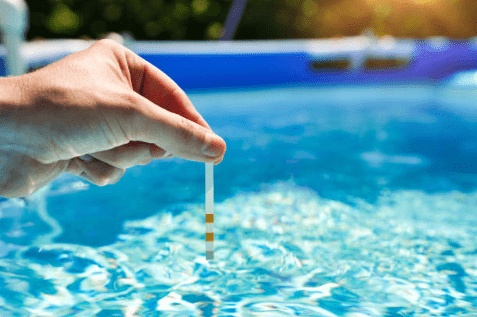
Months of intense sunlight, frequent swimming, rainfall, and chemical additions can leave pool water significantly different from where it started earlier in the year. Late summer is a good time to evaluate the overall water balance rather than focusing only on whether the water looks clear.
Balanced water helps protect swimmers, pool finishes, plumbing, and equipment while making routine sanitation easier to maintain.
- Test and maintain appropriate sanitizer levels
- Check pH and total alkalinity
- Monitor calcium hardness when appropriate for the pool surface
- Evaluate stabilizer levels after months of summer chlorination
- Retest water after significant rainfall or storm runoff
- Address recurring algae or cloudy water instead of repeatedly adding chemicals
Clear water is not always balanced water, which is why routine testing remains important throughout the fall.
Adjust Pool Circulation Without Cutting It Too Far
As swimmer activity and water temperatures change, some homeowners reduce pump operation to save energy. Seasonal adjustments can make sense, but reducing circulation too aggressively can create stagnant areas and make it harder for filtration and sanitizer to keep the pool clean.
Pump schedules should reflect the individual pool, equipment, water temperature, debris load, and current conditions rather than simply following a calendar.
- Check that water is moving properly through all return jets
- Make seasonal pump adjustments gradually
- Keep skimmers and baskets clear enough for unrestricted flow
- Monitor filter pressure for signs of restricted circulation
- Watch low-flow areas for early algae development
- Confirm variable-speed pump schedules still match the pool’s needs
The objective is efficient circulation, not simply the shortest possible pump runtime.
Inspect Pool Equipment Before Cooler Weather Arrives
The end of summer is an excellent opportunity to inspect equipment that has worked hard through months of heat and heavy pool use. Pumps, filters, valves, seals, cleaners, and automation components can often show early warning signs before a complete failure occurs.
Finding a small leak, pressure problem, or worn component early can prevent an inconvenient equipment failure later.
- Look around the pump and plumbing for water leaks
- Listen for unusual pump or motor noises
- Check filter pressure and cleaning intervals
- Inspect visible O-rings, fittings, and valves
- Verify automatic cleaners are moving and collecting debris properly
- Confirm timers and automation schedules are operating as intended
Preventive inspection is usually easier and less disruptive than dealing with an unexpected equipment shutdown.
Prepare Your Pool for Florida’s Fall Storms
August and September remain part of Atlantic hurricane season, so fall pool maintenance in St. Johns also means staying prepared for tropical weather. Heavy rain and wind can introduce large amounts of debris while diluting pool chemistry and affecting water levels.
The pool should be inspected and rebalanced after significant storms instead of assuming filtration alone will restore normal conditions.
- Remove loose objects around the pool area before severe weather
- Clear baskets and accessible debris before a storm arrives
- Do not completely drain the pool in preparation for heavy rain
- Remove storm debris as soon as conditions are safe
- Test and rebalance water after substantial rainfall
- Inspect equipment for damage or interrupted operation after the storm
A quick post-storm inspection can prevent contaminated or poorly balanced water from turning into a larger cleanup.

Schedule Pool Maintenance in St. Johns
Keep your pool clean, balanced, and ready for Florida’s changing fall conditions. Contact Four Seasons Pool Care for dependable pool maintenance in St. Johns and surrounding Northeast Florida communities.
Areas We Serve
- St. Johns
- Jacksonville
- Fruit Cove
- Julington Creek
- Ponte Vedra
- Nocatee
- St. Augustine
If you are unsure whether your location falls within our service area, feel free to reach out and ask.